



Walnut
Latin Name: Juglans Regia
Part Of Plant Used: Fruit

Walnuts have been used in human nutrition since ancient times. The walnut tree is native to central Asia, the western Himalayan chain, and Kyrgyzstan and was cultivated in Europe as early as 1000 BC. Walnuts have a wide variety of flavonoids, phenolic acids, and related polyphenols which act as antioxidants. They are a good source of fats, proteins, vitamins, and minerals. Walnuts have high levels of free melatonin (sleep hormone and antioxidant) and vitamin E. They are also a rich source of L-arginine, phospholipids, proteins, tocopherols, polysterols, squalene, and unsaturated fatty acids. Walnuts are a great source of tryptophan, a sleep-enhancing amino acid that helps make serotonin and melatonin hormones that regulate your sleep-wake cycles (Circadian Rhythm). Several studies suggest that eating walnuts influences melatonin levels and the total antioxidant status of the blood and gets your body’s circadian rhythm in place. In addition, the oil in walnuts makes them special when it comes to cardiovascular as well as brain health. They contain a lot of healthy saturated fats, alpha-linolenic and linoleic acids, which may have anti-inflammatory effects that keep blood vessels healthy, and are neurodegenerative.
Key Benefits
- Rich sources of alpha-linolenic acid (Omega 3 PUFA), melatonin, tryptophan, and antioxidants. Omega 3 is also known to relieve stress.
- Walnut acts as natural melatonin and helps regularize the sleep cycle.
- Also a great source of the sleep enhancing amino acid tryptophan that helps make serotonin and melatonin hormones.
- Induce sleep, lower cholesterol levels, and prevent the risk of heart disease.
- Walnuts are known for their rich vitamins and mineral contents.
- It helps promote cardiovascular health by keeping a check on bad cholesterol and lipid.
- Because of the high content of calcium, walnuts are good for bone health.
- Walnuts are good for male reproductive health.
- Reduce high blood pressure problems and prevent blood clotting.
- Improves memory, boosts brain activity, and is useful in the treatment of Alzheimer’s disease.
- Enhance metabolism, and treat obesity, diabetes, fatigue, depression, and anxiety.
- Good for pregnant women, children, young as well as older people.
- Supports healthy aging.
History
Walnuts have a rich history dating back thousands of years. Walnuts are considered the "oldest tree food known to man" and were prized by the Romans for both medicinal and celebratory purposes. The tree was considered a symbol of "intelligence, wisdom, knowledge, and inspiration”. Walnuts were the most important nut from a health standpoint in the ancient Mediterranean world. The first-century C.E. Roman biographer Plutarch, reported that walnut trees were soporific, for they send “forth a heavy and drowsy spirit, which affects their heads who sleep beneath it.” Later to verify the same, scientists have determined that walnuts contain melatonin, which regulates the sleep/wake cycle. Juglans regia was even considered for its medicinal properties in traditional medicine for a wide array of ailments that include diarrhoea, stomach ache, arthritis, asthma, skin disorders, and various endocrine diseases such as diabetes mellitus, anorexia, thyroid dysfunctions, cancer, and infectious diseases.
Cultivation
Himachal Pradesh, India.
Extraction Process
Extraction Processes were carried out separately for individual bio actives of walnut.
Clinical studies
Melatonin and Polyphenols - A comparative study of the nutritional and bioactive compounds content of walnut (Juglans regia) was conducted by María Isabel Tapia from Instituto Tecnológico Agroalimentario de Extremadura, Spain. In her journal she mentioned the presence of Proteins and fats which accounted for more than 70% of the walnut. The content in bioactive compounds were melatonin, serotonin, and total phenols, high content of magnesium and other minerals, and polyunsaturated fatty which were accounted for as their healthful properties, potentially beneficial to health.
Melatonin: A study conducted by Antía Verde from Universidade de Vigo, Departamento de Biología Funcional, Spain. This study investigated the presence of melatonin in nuts using chromatographic techniques and optimized extraction procedures according to the high oil content of nuts. Melatonin was detected in walnuts. The study shows the melatonin content in walnut seeds decreased sharply during the ripening process from the ripe green stage to the mature dehydrated fruit and increased after harvesting when the fruits were edible. Therefore, this study reveals new data on the presence of melatonin in walnut seeds in a natural format.
Chamomile
Latin Name: Matricaria Chamomilla
Part Of Plant Used: Flower and Tops of plant
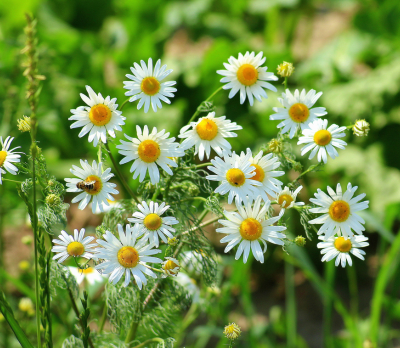
Chamomile is a dainty, daisy-like flowering plant renowned for its medicinal properties and soothing fragrance. Originating from Europe and Asia, chamomile has a long history of use dating back centuries, prized for its calming effects on the mind and body. Chamomile is often hailed for its ability to promote relaxation and alleviate stress and anxiety. It contains various compounds that interact with neurotransmitters in the brain, including GABA receptors, which are involved in regulating mood and sleep. The flowers of chamomile are commonly utilized to create herbal teas, infusions, and extracts, known for their gentle sedative properties. Chamomile tea, in particular, is cherished for its calming aroma and mild flavor, making it a popular choice for winding down before bedtime. Additionally, chamomile contains flavonoids and other bioactive compounds that contribute to its anti-inflammatory and antioxidant properties, offering potential benefits for various health conditions. Studies have suggested that chamomile may help alleviate symptoms of insomnia, promote relaxation, and reduce oxidative stress. Overall, chamomile stands as a versatile herbal remedy, prized for its ability to soothe the mind and body, making it a beloved choice for promoting overall well-being and relaxation.
Key Benefits
- Anti-Anxiety: Chamomile is known for its calming effects, making it beneficial for reducing anxiety and promoting relaxation.
- Anti-Depressant: Chamomile has been traditionally used to alleviate symptoms of mild to moderate depression and improve mood.
- Relief from Menopause and PMS Symptoms: Chamomile can help ease symptoms associated with menopause, such as mood swings and hot flashes, as well as symptoms of pre-menstrual syndrome (PMS).
- Management of Hyperactivity and Impulsivity: Chamomile may aid in managing symptoms of hyperactivity and impulsivity, providing a calming effect on the nervous system.
- Antibacterial and Antiviral Properties: Chamomile exhibits antibacterial properties, which may help combat infections, and it also shows potential as an antiviral agent, aiding in the prevention and treatment of viral illnesses.
- Improvement of Sleep Quality: Chamomile is known to promote better sleep by helping regulate mood and increasing the production of melatonin, the hormone responsible for sleep-wake cycles. It contains compounds that interact with neurotransmitters involved in sleep regulation, contributing to its sleep-enhancing effects.
History
Chamomile, with its rich history spanning centuries, is steeped in folklore and ancient medicinal practices. The name "chamomile" is believed to have roots in both Greek and Latin, with "chamomaela" in Greek meaning "earth-apple," and "chamaimelon" in Latin translating to "earth-apple." This naming reflects the plant's apple-like scent when crushed.
Chamomile's usage dates back to ancient civilizations, where it was revered for its therapeutic properties. Ancient Egyptians dedicated chamomile to their sun god Ra, using it in rituals and medicines. The ancient Greeks and Romans also valued chamomile for its healing properties and associated it with deities such as Apollo and Mercury.
As herbal knowledge evolved into the early modern period, chamomile remained a staple in medicinal practices. It was prized for its ability to soothe digestive discomfort, alleviate nausea, and promote relaxation. Chamomile teas and infusions became popular remedies for promoting calmness and aiding sleep.
In modern times, chamomile continues to be valued for its numerous health benefits. It is commonly used in herbal teas, aromatherapy, and skincare products for its calming and soothing effects. Research has also validated many of its traditional uses, confirming chamomile's effectiveness in promoting relaxation, reducing inflammation, and supporting overall wellness.
Cultivation
Northern Regions of India
Extraction Process
Has been standardized for 0.3% hypericin using a 20:1 herb ratio
Certifications


Our Ingredient Journey from Plant to Extract
- Fresh chamomile flowers are harvested at their peak, cleaned to remove impurities, then dried and ground into a fine powder to increase surface area and aid flavonoid release.
- A suitable solvent—like ethanol, methanol, or water-organic mixtures—is selected for its ability to dissolve flavonoids while limiting unwanted compounds.
- The chamomile powder is placed in a container and mixed with the solvent in appropriate ratios for extraction and stirred to ensure thorough contact. Extraction occurs at room temperature or under controlled conditions to optimize yield.
- The process runs for several hours to overnight, depending on solvent type, particle size, and desired flavonoid concentration.
- After the extraction period, the mixture of solvent and plant material is filtered to separate the liquid extract from the solid residue. This can be achieved using filter paper, a sieve, or a filtration apparatus. The filtrate containing the flavonoid-rich extract is collected in a clean container, while the solid residue is discarded or subjected to further extraction steps if necessary.
- The collected extract may be concentrated to increase the concentration of flavonoids and reduce the volume of solvent. This can be done by evaporating the solvent under reduced pressure using techniques such as rotary evaporation or vacuum distillation. Care should be taken to avoid excessive heat, which may degrade heat-sensitive flavonoids.
- The concentrated extract is subjected to quality control tests to assess its purity, potency, and safety. Analytical techniques such as high-performance liquid chromatography (HPLC) may be used to quantify the flavonoid content and verify the presence of specific flavonoid compounds.
- The final flavonoid-rich extract is stored in airtight containers protected from light and moisture to prevent degradation of the active compounds.
Clinical studies
- Reduction in Cortisol: In an open-label clinical trial involving 45 subjects diagnosed with Generalized Anxiety Disorder (GAD), salivary cortisol levels were assessed over three days before and after treatment at specific intervals throughout the day. Mixed model analyses revealed a significant association between symptomatic improvement during treatment and changes in cortisol levels. Subjects experiencing greater symptomatic improvement showed significant increases in morning salivary cortisol and a greater decrease in cortisol levels throughout the day. Previous research indicated elevated methylation of the NR3C1 promoter gene in GAD patients, correlating with diminished glucocorticoid receptor transcription, suggesting desensitization of the cortisol system in GAD. Minimal research has explored cortisol indicators in GAD treatment, particularly in adults. In this study, salivary cortisol was measured to investigate its association with symptomatic improvement in GAD treatment using chamomile extract. It was hypothesized that increases in morning cortisol and changes in diurnal cortisol slope post-treatment would correlate with superior symptomatic change, controlling for baseline symptom severity and cortisol levels. Additionally, baseline cortisol levels were explored as predictors of treatment response.
- Generalized Anxiety Disorder: In a study, 180 subjects with moderate to severe Generalized Anxiety Disorder (GAD) will receive pharmaceutical-grade chamomile extract in an initial open-label phase for 8 weeks, with doses ranging from 500 to 1,500 mg daily. Responders to the treatment will undergo an additional 4 weeks of consolidation therapy. Subsequently, they will be randomized to double-blind continuation therapy with either chamomile extract or placebo for 26 weeks. The primary outcome measure will be the time to relapse during continuation therapy, with secondary outcomes including the proportion of subjects experiencing relapse and the incidence of treatment-emergent adverse events. Quality of life ratings will also be assessed during short and long-term therapy. This study aims to evaluate the safety and efficacy of chamomile extract in the long-term treatment of GAD, building upon prior findings demonstrating its superiority over placebo in reducing GAD symptoms.
- Anxiety disorder: In a study, 180 subjects with moderate to severe Generalized Anxiety Disorder (GAD) will receive chamomile extract for 8 weeks. Responders will undergo an additional 4 weeks of consolidation therapy and then be randomized to either chamomile extract or placebo for 26 weeks of double-blind continuation therapy. The primary outcome is time to relapse during continuation therapy. Secondary outcomes include the proportion of subjects experiencing relapse, treatment-emergent adverse events, and quality of life ratings. This study aims to evaluate the long-term safety and efficacy of chamomile extract for GAD, building on previous findings of its effectiveness compared to placebo.
- Depression: A three-armed, parallel, randomized, controlled trial involved 183 participants divided into lavender, chamomile, and control groups (n=61 each). The experimental groups inhaled three drops of 1.5% lavender or chamomile essential oils for 30 nights, while the control group inhaled distilled water. Depression, anxiety, and stress levels were measured using the Depression, Anxiety, and Stress Scale (DASS) at baseline, immediately after the intervention, and one month later. Statistically significant improvements in depression, anxiety, and stress were observed in the lavender and chamomile groups compared to the control group both immediately and one month after the intervention (p<0.01). The study concluded that inhalation aromatherapy with lavender and chamomile essential oils effectively reduced depression, anxiety, and stress levels in community-dwelling older adults.
Jaiphal / Nutmeg
Latin Name: Myristica Fragrans
Part Of Plant Used: Nuts
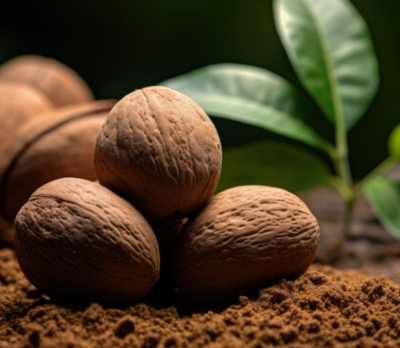
The irresistible flavour of the jaiphal seed is known in many Indian cuisines, whether it is your Hyderabadi Biryani or one of the several Indian desserts, the distinctive taste of the sweet jaiphal seed adds a delightfully piquant flavour to your food. Despite its name, jaiphal is actually the seed found inside the ripe fruit of the tree after it's been picked and split open. There is a delicate lacy membrane that surrounds the seed which once removed and dried is another spice used in cuisines called mace. The trees were originally native to the spice islands of Indonesia, however, they are now cultivated in Malaysia, the Caribbean, and Southern India as well. Jaiphal is a rich source of antioxidants, which help protect against the signs of aging and serious conditions such as cancer, heart disease, and liver disease. Jaiphal is rich in fiber, which helps keep the digestive system healthy and controls blood sugar.
Key Benefits
- Brain Health: The essential oils are effective in alleviating stress. The adaptogen nature of nutmeg works both as a stimulant and a sedative.
- Potent Anti-inflammatory Effects: Jaiphal has essential volatile oils like myristicin, elemicin, eugenol, and safrole with powerful anti-inflammatory properties that are well-known to ease muscle and joint pain and lessen swelling.
- Nutmeg has a calming effect when consumed in smaller doses. Various ancient medicinal practices credit it for its sleep inducing and de-stressing effects. According to Ayurveda, you should add a pinch of Nutmeg to a glass of warm milk and have it before sleeping.
- It helps in the secretion of digestive enzymes, bringing relief and promoting bowel movement. The carminative effect helps remove excessive gas from the system and easing any digestive issues you may be suffering from.
- Jaiphal helps eliminate toxins from the liver and kidneys and cleanse the system.
- The antibacterial properties help against harmful bacteria that cause dental cavities and gum disease. Additionally, the essential eugenol oil aids in easing toothaches.
- The antimicrobial and anti-inflammatory properties of Jaiphal help the skin’s natural glow and radiance. The cleansing property wards off blackheads, treats acne, and unclog the pores. The bioactive compounds mace lignan in Jaiphal aids in slowing down premature ageing and oil is well-known for its skin rejuvenating properties.
- Its high mineral content makes jaiphal a good ingredient for regulating blood circulation and pressure. It contains calcium, iron, potassium, and manganese which are all essential for various functions in the body.
History
The jaiphal tree originates in Banda, the largest of the Molucca spice islands of Indonesia. The English word jaiphal comes from the Latin nux, meaning nut, and muscat, meaning musky. Both jaiphal and mace were discovered as early as the 1st century A.D. when Roman author Pliny spoke of a tree bearing nuts with two flavours. Later, Emperor Henry VI had the streets of Rome fumigated with jaiphal before his coronation. In the 6th century, jaiphal was brought by Arab merchants to Constantinople. In the 14th century, half a kilogram of jaiphal cost as much as three sheep or a cow. But it was the 1600s when jaiphal became worthy of starting wars! The Dutch waged a bloody war, including the massacre and enslavement of the inhabitants of the island of Banda, just to control jaiphal production in the East Indies. All this because jaiphal was fashionable among the wealthy as a hallucinogenic and could make you feel as if you were floating.
Cultivation
Kerala, India.
Extraction Process
Has been standardized for volatile oils ensuring the content of Phenyl-Propanoid remains unchanged in the extraction process.
Certifications


Clinical studies
Managing Insomnia: A pilot clinical trial was conducted by Prathibha C. K., Anandaraman P.V and Gopal G Nanda the Incharge of Dr. A. L. Research Centre for Ayurveda in Tamil Nadu on 10 individuals who were suffering from insomnia. They were administered with Myristica fragrans powder daily after food for 14 days. After 14 days of regular administration of jaiphal, it was concluded that jaiphal is an effective drug in managing insomnia.
Antibacterial: A research was conducted by Ben Lagha, O.M from the Department of Food Science, University Putra Malaysia to understand the antibacterial activity of Nutmeg extract on against foodborne pathogens. The nutmeg extract along with crude oil and distilled water was used on food under various conditions and temperatures. After the 10th and 14th day of examination, it was concluded that Nutmeg (M. fragrans Houtt.) extract exhibited antibacterial activity against foodborne pathogens and can be used as a natural preservative.
Antioxidant and antibacterial: A review on Antioxidant and Antimicrobial Activity of Nutmeg was conducted and published in Academic Press by Ashish Deep Gupta from Mangalayatan University, Uttar Pradesh. He cited in the journal that various extracts and the essential oil of nutmeg seeds have presented strong antimicrobial activity and due to its high antioxidant and antimicrobial activities, nutmeg could be considered as a significant natural source of antioxidants and antimicrobials. Nutmeg, being a natural product, can offer more safety to people and the environment and is considered to be less of a risk for resistance development by pathogenic microorganisms.
Immunity Report: A review was conducted by Rafia Rehman from the University of Okara, Pakistan on the uses and biological properties of Nutmeg. She cited that Nutmeg is considered an essential ingredient in numerous industrial applications ranging from food to cosmetics. Its pharmaceutical products are also important due to its antioxidant and antimicrobial properties. Her finding on the Immuno-modulatory and radio-protective activities of nutmeg was similar. The lignans present in fresh nutmeg show radio modifying and immune-modulatory properties, present in the aqueous extract of fresh nutmeg.
Gotu Kola
Latin Name: Centella asiatica
Part Of Plant Used: Leaves
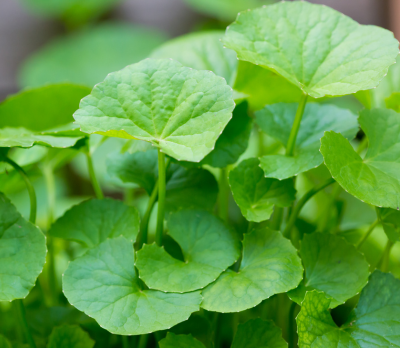
Gotu Kola – an ancient herb revered for its wide range of uses and health benefits. Known scientifically as Centella asiatica, this herb has a storied history of medicinal and therapeutic application. Native to the wetlands of Asia, Gotu Kola is a small, perennial plant with fan-shaped green leaves and white or light purple flowers. Traditionally, it has been valued for its potential to enhance cognitive function, improve circulation, and promote overall well-being. Gotu Kola is a staple in Ayurvedic and traditional Chinese medicine, often used to support memory, concentration, and mental clarity. It contains active compounds such as asiaticosides, which are believed to contribute to skin health and wound healing. Gotu Kola can be consumed as a tea, extract, or supplement, and its adaptogenic properties make it a popular choice for managing stress and promoting longevity.
Key Benefits
- Cognitive Enhancement: Known for improving memory, concentration, and overall cognitive function. It is often used to support mental clarity and learning ability.
- Anxiety and Stress Reduction: Contains adaptogenic properties that help manage stress and reduce anxiety levels, promoting a sense of calm and well-being.
- Skin Health: The active compounds, such as asiaticosides, support wound healing, reduce scarring, and improve skin elasticity. It is also used in the treatment of skin conditions like psoriasis and eczema.
- Circulation Improvement: Promotes healthy blood circulation, which can enhance oxygen and nutrient delivery throughout the body, and is often used to treat varicose veins and venous insufficiency.
- Anti-Inflammatory Effects: Possesses anti-inflammatory properties that help reduce inflammation in the body, making it useful in treating conditions like arthritis.
- Antioxidant Properties: Rich in antioxidants that protect cells from damage caused by free radicals, potentially reducing the risk of chronic diseases.
- Digestive Health: Can aid in improving digestion and reducing symptoms of gastrointestinal issues, such as ulcers and stomach discomfort.
- Joint Health: May help reduce joint pain and inflammation, improving mobility and comfort in individuals with arthritis or other joint-related conditions.
- Wound Healing: Enhances the healing process of cuts, burns, and other wounds due to its ability to promote collagen production and tissue regeneration.
- Overall Well-Being: Supports general health and vitality, making it a popular choice for promoting longevity and maintaining overall wellness.
History
Gotu Kola, known scientifically as Centella asiatica, has a rich history in traditional medicine across Asia. In Ayurvedic medicine, it is revered as a "Medhya Rasayana" for enhancing cognitive function and longevity, often referred to as "Brahmi." In Traditional Chinese Medicine, it is known as "Ji Xue Cao" and used for its blood-invigorating properties and to promote mental health and longevity. Southeast Asian cultures, particularly in Sri Lanka and Indonesia, have long valued Gotu Kola for wound healing, skin health, and cognitive benefits, often calling it a "miracle elixir of life." The herb gained Western interest in the 19th and 20th centuries, leading to scientific studies that validated its traditional uses, identifying active compounds like asiaticosides and madecassosides. Today, Gotu Kola is globally recognized for its therapeutic benefits and is widely used in dietary supplements and skincare products.
Cultivation
Kerala, Tamil Nadu, Karnataka, India
Extraction Process
Was carried out for 10% asiaticoside.
Non-irradiated and not treated with ETO | Kosher & Halal Certifications | GMO Free | BSE/TSE Free
Certifications


Our Ingredient Journey from Plant to Extract
- Gotu Kola is cultivated in well-drained soils, often in regions with a tropical climate. It is grown in several states in India, such as Kerala, Karnataka, and West Bengal.
- The leaves and stems of Gotu Kola are harvested when the plant is rich in active compounds. This typically occurs when the plant is mature and vibrant.
- The harvested plant material is thoroughly cleaned to remove any soil and impurities. It is then dried under controlled conditions, either through air drying or using low-temperature dryers to preserve the active constituents.
- The dried plant material is ground into a fine powder to increase the surface area for efficient extraction.
- A suitable solvent, such as ethanol, methanol, or a water-ethanol mixture, is chosen for the extraction of asiaticoside.
- The powdered Gotu Kola is subjected to solvent extraction using techniques like Soxhlet extraction, maceration, or ultrasonic-assisted extraction. The process involves soaking the plant material in the solvent to dissolve the asiaticoside.
- The mixture is filtered to remove the plant residue, leaving behind a solution rich in asiaticoside and other phytochemicals.
- The solvent is then evaporated under reduced pressure using a rotary evaporator. This concentrates the extract, increasing the asiaticoside content.
- The concentrated extract undergoes purification through techniques such as column chromatography. This step helps to isolate asiaticoside from other constituents.
- Further purification might involve crystallization methods to obtain asiaticoside in its purest form.
- The purified asiaticoside is dried using methods like spray drying or lyophilization (freeze-drying) to obtain a stable, dry powder.
- The dry asiaticoside powder is then formulated into various products, such as capsules, tablets, or topical creams, depending on its intended use.
- Rigorous quality control tests are conducted to ensure the purity, potency, and safety of the asiaticoside extract. This includes HPLC (High-Performance Liquid Chromatography) analysis to quantify the asiaticoside content.
- The final product is certified for its quality and adherence to regulatory standards.
- The extracted asiaticoside is packaged in airtight, moisture-proof containers to preserve its stability and efficacy.
- The packaged product is then distributed to various markets for use in dietary supplements, cosmetics, and pharmaceutical formulations.
Clinical studies
Generalized Anxiety Disorder:
- The study aimed to assess the efficacy of a 70% hydro-ethanolic extract of Centella asiatica (CA) in treating generalized anxiety disorder (GAD) in humans. Thirty-three participants, comprising 18 males and 15 females with an average age of 33 years, were administered CA capsules twice daily (500 mg/capsule) after meals for 60 days. The subjects were evaluated at baseline (day 0), mid-term (day 30), and final (day 60) using Hamilton’s Brief Psychiatric Rating Scale (BPRS) and other standard psychological questionnaires. The findings demonstrated that CA significantly
alleviated anxiety-related symptoms (p<0.01), reduced stress levels, and correlated depression (p<0.01). Moreover, CA improved willingness for adjustment and cognition (p<0.01). These results suggest that Centella asiatica could be a promising therapeutic option for GAD, exhibiting potential as an anxiolytic agent in the future. - This double-blind, placebo-controlled study aimed to assess the anxiolytic effects of Gotu Kola (Centella asiatica) in
healthy subjects. Gotu Kola, a plant used in Ayurvedic and traditional Chinese medicine for centuries to alleviate depression and anxiety symptoms, was investigated for its potential to modulate cholecystokinin (CCK) receptors, which are implicated in anxiety pathophysiology. Subjects were randomly assigned to receive a single oral dose of either Gotu Kola or placebo. Results showed that Gotu Kola significantly reduced the amplitude of the acoustic startle response (ASR) at 30 and 60 minutes post-treatment compared to placebo. However, Gotu Kola had no notable effects on self-rated mood, heart rate, or blood pressure. These initial findings suggest that Gotu Kola may possess anxiolytic properties in humans, as demonstrated by ASR attenuation, warranting further investigation into its therapeutic potential for anxiety disorders.
Phlebotonics: In this study, the effects of phlebotonics on reducing time-to-stop bleeding and anal irritation were evaluated in 130 patients with hemorrhoidal disease (HD), bleeding and pain after hemorrhoidectomy, and hemorrhoidal thrombosis over a short period. Patients were divided into three groups: one receiving routine treatment (control Group C), another treated with flavonoids (Group A), and the third treated with Centella (Group B). Time-to-stop bleeding was assessed at baseline and follow-up visits, while healing was estimated using the Kaplan-Meier method. The HD median time-to-stop bleeding was 2 weeks for Groups A and B, and 3 weeks for Group C. Visual Analogue Scale (VAS) scores showed significant differences in anal irritation between Group A vs C and Group B vs C. Operated hemorrhoids also showed improved time-to-stop bleeding in Groups A and B compared to Group C. Histopathology revealed an association between flavonoids and fibrosis of piles. Overall, phlebotonics, particularly flavonoids, demonstrated significant beneficial effects in treating HD and post-surgery hemorrhoids.
Valerian
Latin Name: Valeriana Wallichii
Part Of Plant Used: Root
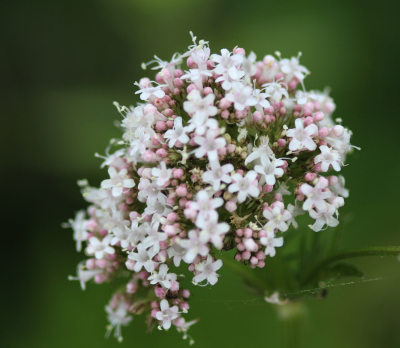
Valerian Root also known as Tagara in Ayurveda, is a hairy perennial herb that belongs to the Valerianeaceae family, growing in the temperate regions of the Himalayas and Khasi hills up to an altitude of 3,000m in India. This perennial plant is native to North America, Asia, and Europe and produces white, purple, and pink flowers. Like most herbal compounds, valerian has over 150 individual active ingredients. The roots, rhizomes, and the stolons (horizontal stems) are used in making medicinal preparations. The effects of Valerian supplementation include drowsiness, muscle relaxation, sedation, and a decrease in anxiety which are primarily caused by certain compounds in Valerian called valerenic acid and valerenol which act on the GABA receptors in the body. GABA is a chemical messenger that helps regulate nerve impulses in your nervous system. It is one of the main neurotransmitters responsible for sleep regulation. Increasing the amount of GABA in your body has sedative effects. Valerenic acid and valerenol modulate GABA receptors and increase the amount of GABA available in the central nervous system. Research shows that valerenic acid also acts to inhibit the enzymes that destroy GABA. Compounds in valerian may also interact with receptors for serotonin and adenosine, chemicals that play important roles in the regulation of sleep and mood.
Key Benefits
- Valerian root is a proven remedy for anxiety and insomnia.
- Compounds in Valerian called valerenic acid and valerenol which acts on the GABA receptors in the body increasing sedative effect.
- Bridges the gap between REM and NREM sleep phases, and increases NREM sleep phase.
- It improves sleep quality and leaves no hangover like feeling in the morning.
- Effective mood enhancer and antidepressant.
- Valerian root helps minimize hot flashes commonly affecting women during menopause.
- It’s a known neurotransmitter that helps in controlling nervous function, especially among people who have a history of epilepsy.
- Helps overcome fatigue.
History
Valerian has been used as a medicinal herb since at least the time of ancient Greece and Rome. Its therapeutic uses were described by Hippocrates, and in the 2nd century, Galen prescribed valerian for insomnia. In the 16th century, it was used to treat nervousness, trembling, headaches, and heart palpitations. while the flowers are sweet smelling, the Valerian root has a very pungent smell. Rats simply can’t resist it, and it is said that the legendary Pied Piper stuffed his pockets with the herb to lure the plague-carrying rats out of the village of Hamelin. Early European physicians were able to overlook the offensive smell to instill a long history of use as a near cure-all for everything that ails. The herb has been used for centuries to treat migraine, insomnia, menstrual cramps, hysteria, and various "nervous disorders."
Cultivation
Himalayan Region of North India
Extraction Process
Has been standardized for Valerenic Acids
Certifications


Clinical studies
Overcome Stress & Anxiety:
- This study examined whether kava or valerian could mitigate the effects of psychological stress in healthy volunteers. Fifty-four participants performed a standardized mental stress task twice, one week apart, with blood pressure (BP), heart rate (HR), and subjective pressure ratings measured at rest and during the task. After the first session, participants took kava (n = 18), valerian (n = 18), or nothing (control, n = 18) for seven days. At the second session, both the kava and valerian groups showed a significant decrease in systolic BP responsivity, though diastolic BP did not significantly change. HR reactivity decreased in the valerian group but not in the kava group. Both kava and valerian groups reported less subjective pressure during the task at the second session, while the control group showed no significant changes. Behavioral performance on the task remained unchanged across all groups. These findings suggest that kava and valerian may help reduce physiological reactivity to stress.
- A 4-week double-blind, randomized, placebo-controlled clinical trial with 64 volunteers suffering from psychological stress investigated the effects of valerian root extract (VRE) on functional brain connectivity using EEG. Participants received 100 mg of VRE or a placebo three times daily. Both groups showed significant improvements in anxiety and stress-related symptoms, with no significant differences between the groups in clinical outcomes. However, the VRE group exhibited significantly greater increases in frontal brain region alpha coherence and decreases in theta coherence, which were correlated with reduced anxiety. These results suggest that VRE alters functional brain connectivity related to anxiety. Further EEG studies are needed to confirm these neurophysiological effects.
St.John’s Wort (Hypericum)
Latin Name: Hypericum perforatum
Part Of Plant Used: Flower and Tops of plant
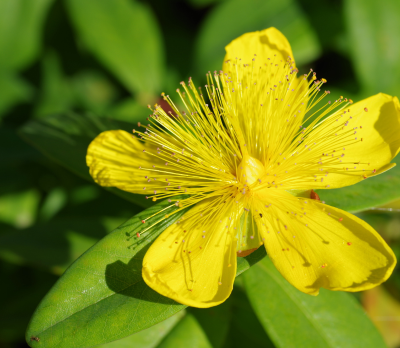
St. John's Wort is a yellow, star-shaped flowering plant native to Europe, named after John the Baptist. It has been used for centuries for mental health conditions. St. John's Wort acts as a ‘serotonin reuptake inhibitor’ - a class of drugs that are typically used as antidepressants in the treatment of major depressive disorder, anxiety disorders, and other psychological conditions. It contains many chemicals that act on the neuro receptors in the brain that regulate mood and sleep. The flowers are used to make liquid extracts, pills, and teas. Hypericin (a reddish pigment) found in the flowers, particularly in the reddish-black dots that are located along with the petals, is known to contain antidepressant properties that helps treat anxiety, sleep disorders or used to ease symptoms of depression. Leaves of the Hypericum contain antidepressant compounds that regulate levels of dopamine, interleukins, melatonin, monoamine-oxidase, and serotonin. St. John's Wort is also used for symptoms of menopause. Studies suggest that St. John's Wort benefits in the management of 'sleep deprivation-induced anxiety' like behavior and oxidative damage.
Key Benefits
- Anti-Anxiety – St John's Wort is considered a popular medicine to treat anxiety.
- Anti-Depressant: It is known for its effectiveness for mild or moderate depression.
- Eases Symptoms of Menopause and Pre-menstrual syndrome.
- It is used to treat people who suffer from Hyperactivity and Impulsivity.
- Has antibacterial properties and may act as an antiviral agent.
- Benefits sleep by helping regulate mood and increasing the production of melatonin. Leaves of the Hypericum contain antidepressant compounds that regulate levels of dopamine, interleukins, melatonin, monoamine-oxidase, and serotonin.
History
St. John's Wort owes its name to the fact that it flowers at the time of the summer solstice on or around St. John's Day on 24 June. Its Latin name Hypericum perforatum is derived from a Greek word, which means “over an apparition,” referring to the belief that the herb was so offensive to evil spirits that the merest whiff of it caused spirits to depart. The Tincher's of the plant was administered as a remedy by the Roman military doctor Proscurides as far back as the 1st century AD and became popular in medicinal elixirs and magic potions in the Middle Ages to ward off diseases and demons alike.
One of the legends states that the red spots appeared on the petals on the anniversary of John the Baptist’s beheading, the spots being symbolic of his blood. Back in those days, it was also believed that if a person placed a piece of St. John’s Wort under his pillow on St. John’s Eve, St. John would appear in that person’s dreams to bless him or her and prevent that person from dying in the year to come.
By the early modern period in Europe, St. John’s Wort became known as a popular anti-nausea agent, among many other treatments. In an ancient book of the 17th century, it was mentioned that St John’s Wort contained so many medicinal properties that it could help treat many types of ailments including the ability to treat bruises. Later on, it was administered for mental disorders which are now what we call anxiety or depression.
Cultivation
Eastern regions of China
Extraction Process
Has been standardized for 0.3% hypericin using a 20:1 herb ratio
Certifications


Our Ingredient Journey from Plant to Extract
- Mucuna Pruriens matures in about 140 days after sowing. Mature pods are harvested for their seeds. Pods that turn to greyish-brown colour indicate maturity for picking. A good healthy plant should yield 3-7 seeds per pod and about 5-6 healthy pods per inflorescence. On an average each plant has about 25-30 bunches which can be harvested.
- Mucuna is a generally planted as cover crop and therefore is cultivated in plantations that grow bananas, coconut, rubber. They are fast growing; help accumulate nutrients through Nitrogen fixation and protects the soil from heavy rains in the wet season.
- The harvested pods are dried in sunlight for 4-7 days; after which they are deshelled and the seeds are sorted as per quality and size. The seeds are further dried in shade to reach approximately 7-8% moisture levels.
- Further processing of the seeds involves threshing, blanching, drying, cleaning and grading. These are then sent off to the extraction plant for further processing.
- Only pre-approved plantations in south India, that are certified as organic, have been used to procure dried mucuna seeds. Raw material quality is an essential prerequisite. A multi-layered quality management system to ensure the raw materials collected for manufacturing are as per GACP (Good Agricultural and Collection Practices). A rigorous testing regime for all raw materials and finished products is followed.
- The dried seeds are tested for their L-DOPA levels. Quality control also tests the seeds for the required quantity of lecithin, alkaloids including nicotine, prurienine, pruriedine.
- After the basic milling process has been completed, the raw material is set for extraction process in boiling Hydro-alcohol at 90˚C
- Post extraction, the waste is ecologically discarded
- The concentration is then held in vacuum sealed containers with reduced temperature
- The alcohol is then removed from the concentration through the process of steaming
- The concentration, is sent through the spray drier to get the powdered final ingredient. For sterilizing the final ingredient, it undergoes a process of heating in an autoclave before it is sent for a final Quality control check to the laboratory.
Clinical studies
- Depression: A retrospective, 12-month, open-label, observational, controlled trial was conducted by Francesco Di Pierro of the Department of Scientific Research and Development, Velleja Research, Italy to study the antidepressant clinical activity of a Hypericum Perforatum. The study administered that hypericum extract gave better clinical outcomes in volunteers with depression without determining an increased risk of toxicity or reduced tolerability.
- Depression and menopausal symptoms: Randomized controlled study was conducted on 80 postmenopausal women aged 45-60 in Izeh, Iran by Alieh Eatemadnia of Midwifery Department, Menopause & Andropause Research Centre. Two groups received 270-330 μg of Hypericum perforatum(n = 40) or placebo (n = 40) tablets three times a day for two months. Seventy women
completed the study and the results show that the treatment with Hypericum perforatum is an efficient way of reducing hot flashes, menopausal symptoms, and depression in postmenopausal women.
- Depression and tiredness: A randomized, placebo-controlled, double-blind study was conducted by W D Hübner , S Lande, H Podzuweit from Lichtwer Pharma GmbH, Berlin, Germany. The study was done on 39 patients with depression with somatic symptoms who were treated with Hypericum perforatum extract LI 160. The volunteers were administered with hypericum extract 300 mg dose thrice a day for 4 weeks. Seventy percent of the patients treated with LI 160 were free of symptoms after 4 weeks. Typical symptoms of depression such as lack of activity, tiredness, fatigue, and disturbed sleep, were especially responsive. In no case were any undesirable side effects observed.
- Fatigue: A randomized, double-blind, parallel-group comparison was done among 240 subjects with mild-moderate depression was done by E Schrader from Praxis Klinische Arzneimittelforschung, Pohlheim, Germany. The patients were treated with hypericum and fluoxetine. After 6 weeks' treatment, it was concluded that hypericum and fluoxetine are equipotent with respect to all main parameters used to investigate antidepressants in this population, although hypericum may be superior in improving the responder rate.
- Sleep Inducing: A study was conducted by A.L. Sharpley, C.L. McGavin, R. Whale P.J. Cowen of the University Department of Psychiatry, Warneford Hospital, UK using healthy volunteers having no history of psychiatric or sleep disorders. They were administered with two doses (0.9 mg and 1.8 mg) of Hypericum perforatum (St John's wort) on the sleep polysomnogram using a placebo-controlled, cross-over design. Both doses of hypericum significantly increased the latency to rapid eye movement (REM) sleep without producing any other effect on sleep architecture.
Passion Flower
Latin Name: Passiflora Foetida
Part Of Plant Used: Leaves & Whole Flower

Passionflower is native to the southeastern United States and Central and South America. Commonly known as Jhumka Lata in Hindi, it is a perennial climbing vine with herbaceous shoots. Each flower has 5 white petals and 5 sepals that vary in colour from magenta to blue. The bracts of the flower serve to trap insects as a defence mechanism. The above-ground parts (flowers, leaves, and stems) of the passionflower are used for medicinal purposes. The Passion flowers extract contains flavonoids such as quercetin, vitexin, isovitexin, and phenolic compounds - that accelerate the antioxidant and antibacterial properties and help boost health when consumed. Vitexin, a key flavonoid found in Passionflower, has the ability to induce sleep with anti-diabetic and anti-inflammatory effects. The extracts are used in patients to reduce anxiety and insomnia. It was evidenced that the extract of Passiflora foetida significantly increases the time spent in Slow Wave Sleep (SWS), also referred to as Deep Sleep while that of Rapid Eye Movement (REM) sleep showed a tendency to diminish. Some people also take passionflower for stress, ADHD, pain, and many other conditions.
Key Benefits
- Calms the mind: It appears to boost the level of gamma-aminobutyric acid (GABA) in your brain. This compound lowers brain activity, which may help you relax and sleep better.
- Soothes the stomach: Useful in treating stomach related ailments and ulcers.
- Passionflower is a good sleep inducer and helps treat insomnia.
- It reduces symptoms of anxiety.
- Passionflower has promising properties for the treatment of nervous disorders.
- It reduces some symptoms of Attention Deficit-Hyperactivity Disorder.
- It has anti-diabetic and anti-inflammatory properties.
- Helps reduce menopausal symptoms in women, especially during their perimenopausal period.
History
Historically passionflower has been used by the Native American tribes, in the southeastern United States, like food or medicine dating back to 3500 BC. The Native Americans used it as a sedative and were carried to Europe by Spanish explorers where it was used in Traditional European medicine. They believed the flowers symbolize Christ's passion. Forty years later, it was introduced to Europe as an ornamental plant, for, long before the passion flower was included in the Europe's treasury of medicinal plants, botanists were fascinated by this climber's inflorescence. The passionflower began to be used as a herbal remedy in the second half of the last century and was introduced via American homeopathy. It is a well-known sedative in low doses. Passionflower was formerly approved as an over-the-counter sedative and sleep aid only as recently as 30 years ago and has now become a common household ingredient popularly used in tea concoctions and supplements for inducing sleep.
Cultivation
Karnataka, India.
Extraction Process
Has been standardized for extraction of Vitexin.
Clinical studies
Overall benefit of Passionflower: (Anxiety and Sleep) – Aleksa Ristic an MS from the University of Belgrade quoted all the medicinal benefits of Passion Flower in his journal. Passion Flower is rich in Flavonoids such as vitexin, isovitexin, apigenin, chrysin, orientin, essential oil, Phenolic, and fatty acids. The unique blend of these components in the passion flower, makes it a good component for brain health, heart health, metabolism, and inflammation. In a larger clinical trial (182 patients), an herbal mixture with passion flower relieved anxiety without any significant side effects. In a clinical trial, 91 patients were administered with passion flower extract and the result was a boost in sleep quality and duration.
Relieves insomnia: In the Journal Medicinal Plant in Viet Nam by World Health Organisation, it is mentioned that the whole plant is considered to have sedative properties and is used in the treatment of neurasthenia, insomnia, nightmares, and anxiety. It is also indicated that Passiflora is capable of treating hypertension.
Vitexin as neuroprotective: A brief review was conducted on the neuroprotective properties of Vitexin, the primary bioactive present in Passiflora. After reviewing the effect of vitexin on different neurological disorders. It was concluded that Vitexin contributes to the reduction of neural cell death observed in neurodegenerative diseases and contributed to improving the disabling symptoms observed in Alzheimer’s and Parkinson’s patients. Vitexin proved to be safe and increased cell viability, and improved cognitive and locomotor activities in vivo models.
Pumpkin seeds
Latin Name: Cucurbita pepo
Part Of Plant Used: Seeds

Pumpkin is a versatile fruit commonly recognized for its vibrant orange color and distinctive flavor. Its seeds, often referred to as pepitas, are small, flat, and oval-shaped, typically encased in a whitish outer shell. Pumpkin seeds are a rich source of various nutrients, including protein, healthy fats, fiber, vitamins, and minerals. They are particularly notable for their high content of zinc, magnesium, and antioxidants like vitamin E and carotenoids. Additionally, pumpkin seeds contain phytosterols, compounds that have been linked to potential health benefits such as supporting heart health by lowering cholesterol levels and reducing inflammation. The oil extracted from pumpkin seeds is also valued for its nutritional properties, containing a balanced ratio of omega-3 and omega-6 fatty acids, which are essential for overall well-being. Research suggests that consuming pumpkin seeds or their oil may offer various health advantages, including promoting prostate health, supporting immune function, and aiding in managing conditions like diabetes and hypertension. Moreover, pumpkin seeds are commonly enjoyed as a nutritious snack or incorporated into dishes ranging from salads and soups to baked goods and granola bars. Overall, the nutritional profile and potential health benefits of pumpkin seeds make them a valuable addition to a balanced diet.
Key Benefits
- Magnesium Content: Pumpkin seeds are an excellent source of magnesium, a mineral that plays a crucial role in stress management. Magnesium helps regulate the body's stress response by promoting relaxation and reducing the release of stress hormones like cortisol. Adequate magnesium intake has been associated with lower levels of anxiety and stress.
- Zinc Content: Pumpkin seeds are also rich in zinc, another essential mineral that supports mental well-being. Zinc helps regulate neurotransmitter function in the brain, including serotonin, which is known as the "feel-good" neurotransmitter. Maintaining optimal zinc levels may help improve mood and reduce stress.
- Antioxidants: Pumpkin seeds contain antioxidants like vitamin E and carotenoids, which help combat oxidative stress in the body. Oxidative stress occurs when there is an imbalance between free radicals and antioxidants, leading to cellular damage and inflammation. By neutralizing free radicals, antioxidants in pumpkin seeds may help reduce the physiological effects of stress on the body.
- Protein and Healthy Fats: Pumpkin seeds are a good source of protein and healthy fats, which can help stabilize blood sugar levels and provide sustained energy throughout the day. Stable blood sugar levels are essential for maintaining mood stability and reducing stress-related mood swings and cravings.
History
Pumpkin seeds, also known as pepitas, have a long history of culinary and medicinal use, dating back thousands of years. Indigenous peoples in North and Central America were among the first to cultivate pumpkins, primarily for their seeds. Archaeological evidence suggests that pumpkin seeds were consumed by indigenous peoples in what is now Mexico as early as 7,000 B.C. In ancient Mesoamerican cultures, such as the Aztecs and Mayans, pumpkin seeds held significant cultural and culinary importance. They were valued for their nutritional benefits and were often roasted and consumed as a nutritious snack. Pumpkin seeds were also used in traditional medicine for various purposes, including treating intestinal parasites, promoting urinary health, and supporting prostate health. Throughout history, pumpkin seeds have been celebrated for their health benefits. They are rich in essential nutrients such as protein, healthy fats, fiber, vitamins, and minerals, including zinc, magnesium, and antioxidants. Pumpkin seeds have been associated with various health benefits, including supporting heart health, promoting prostate health, boosting immune function, and aiding in blood sugar regulation. Today, pumpkin seeds are enjoyed worldwide as a nutritious and versatile food. They are commonly eaten roasted as a snack, added to salads, soups, and baked goods, or used as a topping for dishes. Additionally, pumpkin seed oil, extracted from roasted pumpkin seeds, is valued for its rich flavor and nutritional properties and is used in culinary applications and as a dietary supplement. Overall, pumpkin seeds continue to be appreciated for their delicious taste and health-promoting qualities across cultures and cuisines.
Cultivation
Maharashtra, India
Non-Irradiated | Non-GMO | Allergen free| Natural Origin| TSE-BSE free | Melamine free | Suitable for vegan and vegetarian | Paraben free
Certifications


Our Ingredient Journey from Plant to Extract –
- The extraction journey of pumpkin seeds begins with cultivation. Pumpkins are grown in various regions around the world, typically in temperate climates with well-drained soil and ample sunlight. Farmers plant pumpkin seeds in nutrient-rich soil and provide adequate water and sunlight for optimal growth.
- Once the pumpkins reach maturity, they are harvested, and the seeds are extracted from the pumpkin fruit. This process involves cutting open the pumpkins and scooping out the seeds from the pulp. The seeds are then separated from the pulp and cleaned to remove any remaining flesh or debris.
- After cleaning, the pumpkin seeds may undergo a drying process to reduce moisture content and improve shelf life. This can be achieved through natural drying methods or using specialized equipment such as drying ovens or dehydrators.
- Once dried, the pumpkin seeds are ready for extraction of their oil. The extraction process typically involves mechanical pressing or solvent extraction. In mechanical pressing, the dried seeds are subjected to pressure to release the oil, which is then collected and filtered to remove any impurities. Alternatively, solvent extraction involves using solvents such as hexane to extract the oil from the seeds. The solvent is then removed through evaporation, leaving behind the pumpkin seed oil.
- The extracted pumpkin seed oil may undergo further processing to refine and purify the oil, depending on its intended use. This can include processes such as filtration, refining, and deodorization to improve the oil's quality, flavor, and stability.
- Once the extraction process is complete, the pumpkin seed oil is packaged and distributed for use in various applications. It may be sold as a standalone product for culinary or dietary purposes, or it may be used as an ingredient in food products, cosmetics, pharmaceuticals, and nutritional supplements.
Clinical studies
Metabolism of cortisol: In a post-hoc analysis of a randomized trial, forty-nine overweight men and women aged 45 to 70 years were allocated to receive either a magnesium supplement (350 mg/day) or a placebo for 24 weeks. Urinary cortisol, cortisone, and their metabolites were measured in 24-hour urine samples, and enzymatic activities were estimated. Results showed that after 24 weeks, urinary cortisol excretion decreased in the magnesium group compared to the placebo group (-32 nmol/24-h, 95% CI: -59; -5 nmol/24-h, p = .021). Ratios of certain metabolites were also decreased following magnesium supplementation, indicating an increased activity of 11β-HSD type 2. However, no effects were observed on A-ring reductase activity. These findings suggest a beneficial effect of magnesium supplementation in reducing 24-hour urinary cortisol excretion and potentially lowering cardiovascular disease risk through altered enzyme activity.
Reducing stress: In this randomized, controlled, double-blind trial involving patients with fibromyalgia, the efficacy of once-daily oral magnesium supplementation (100 mg of Chronomag®, magnesium chloride technology formula) was compared to placebo over a period of one month. The primary endpoint was the level of stress measured on the DASS-42 scale, while secondary endpoints included pain, sleep, quality of life, fatigue, catastrophism, social vulnerability, and magnesium blood concentrations. Results indicated that while the DASS-42 scores decreased in both the magnesium and placebo groups after one month, the reduction was not statistically significant (21.8 ± 9.6 vs. 21.6 ± 10.8, respectively, p = 0.930). However, magnesium supplementation notably reduced stress levels in the mild/moderate stress subgroup (DASS-42 stress score: 22.1 ± 2.8 to 12.3 ± 7.0 in magnesium vs. 21.9 ± 11.9 to 22.9 ± 11.9 in placebo, p = 0.003) and significantly diminished pain severity (p = 0.029). Other parameters such as sleep, quality of life, fatigue, catastrophism, and social vulnerability did not significantly differ between the two groups. These findings suggest that daily magnesium supplementation may be beneficial in alleviating stress and reducing pain experienced by fibromyalgia patients, warranting further investigation through larger clinical trials.